Doccia
Doccia, near Sesto, outside Florence, Italy · Porcelain · also recorded as Ginori, Richard Ginori
Marks
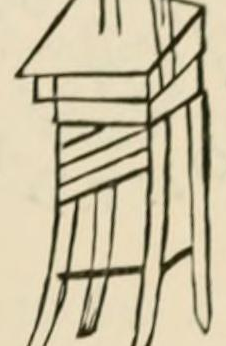
Plate I🔗

Chaffers says it is stamped in gold on the BEST pieces, so the mark carries a quality grade as well as an origin.
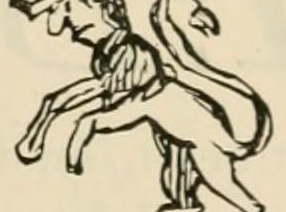
Plate II🔗
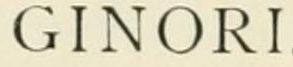
The name of the Marchese, sometimes impressed. Chaffers records that it is occasionally abbreviated, with only GIN. used.
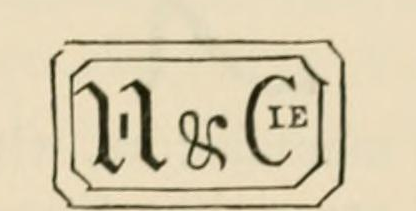
Plate III🔗
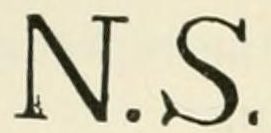
Recorded on a tea-service painted with nymphs and satyrs, and a milkpot with Carnival figures and a garden scene.Chaffers 1891, p.428
Attributed to Nicolo Sebastiano. Chaffers treats the attribution as settled because a full déjeûner service carried N.S together with the GINORI name.
Plate IV🔗
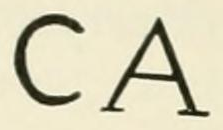
Recorded on a teacup and saucer in the Rev. T. Staniforth's Collection, in addition to the N.S mark.Chaffers 1891, p.428
A supplementary impressed mark rather than a primary one. Chaffers records another piece carrying P.G. in the same position.
Plate V🔗
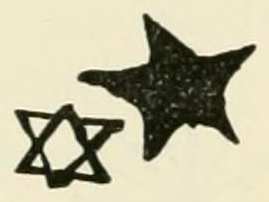
A modification of the double-triangle mark, used on superior quality porcelain.
What the source records
- Founded in 1735 by the Marchese Carlo Ginori, contemporaneously with the Imperial Manufactory of Sèvres, at Doccia — a villa of the family a short distance from Florence, near Sesto.Chaffers 1891 · p.426
- The Marquis sent a ship to the East Indies at his own expense to obtain samples of the materials used in Chinese porcelain.Chaffers 1891 · p.426
- In 1737 he secured the services of Carlo Wandhelien, a chemist, who became director of the works.Chaffers 1891 · p.426
- Carlo Ginori died in 1757 and was succeeded by his son the Senator Lorenzo, who enlarged the works, built improved furnaces and increased the number of workmen.Chaffers 1891 · p.426
- His successor Carlo Leopoldo established a museum of models by celebrated sculptors, ancient and modern, and a school of design.Chaffers 1891 · p.426
- Doccia sustained itself by the exertions of the Ginori family alone; the only encouragement from the Tuscan Government was the prerogative of being the sole fabrique of its kind in the state, which ceased in 1812.Chaffers 1891 · p.426
- The early moulds of the Capo di Monte porcelain were transferred to Doccia when that manufactory was discontinued in 1821.Chaffers 1891 · p.426
- The initials N.S are attributed to Nicolo Sebastiano, and are proved satisfactorily to belong to the Doccia fabrique — a complete déjeûner service so marked was seen, many pieces bearing the name GINORI in addition.Chaffers 1891 · p.428
Why this differs from other listings
Chaffers explains the single most consequential fact about Italian porcelain marks and most listings omit it: when Capo di Monte closed in 1821 its moulds went to Doccia, which then reproduced the ware AND imitated the mark. He writes that Europe was in consequence inundated with false Capo di Monte, purchasable to any extent at Doccia itself. A crowned N is therefore not evidence of Capo di Monte, and the reason is documented rather than rumoured.
The source page
What this entry does not establish
- Chaffers records P.G. as another supplementary impressed mark but does not expand it. No name is asserted here.
- The N.S / Nicolo Sebastiano expansion is Chaffers' attribution, not an independent one.
Questions
What marks does Chaffers 1891 record for Doccia?
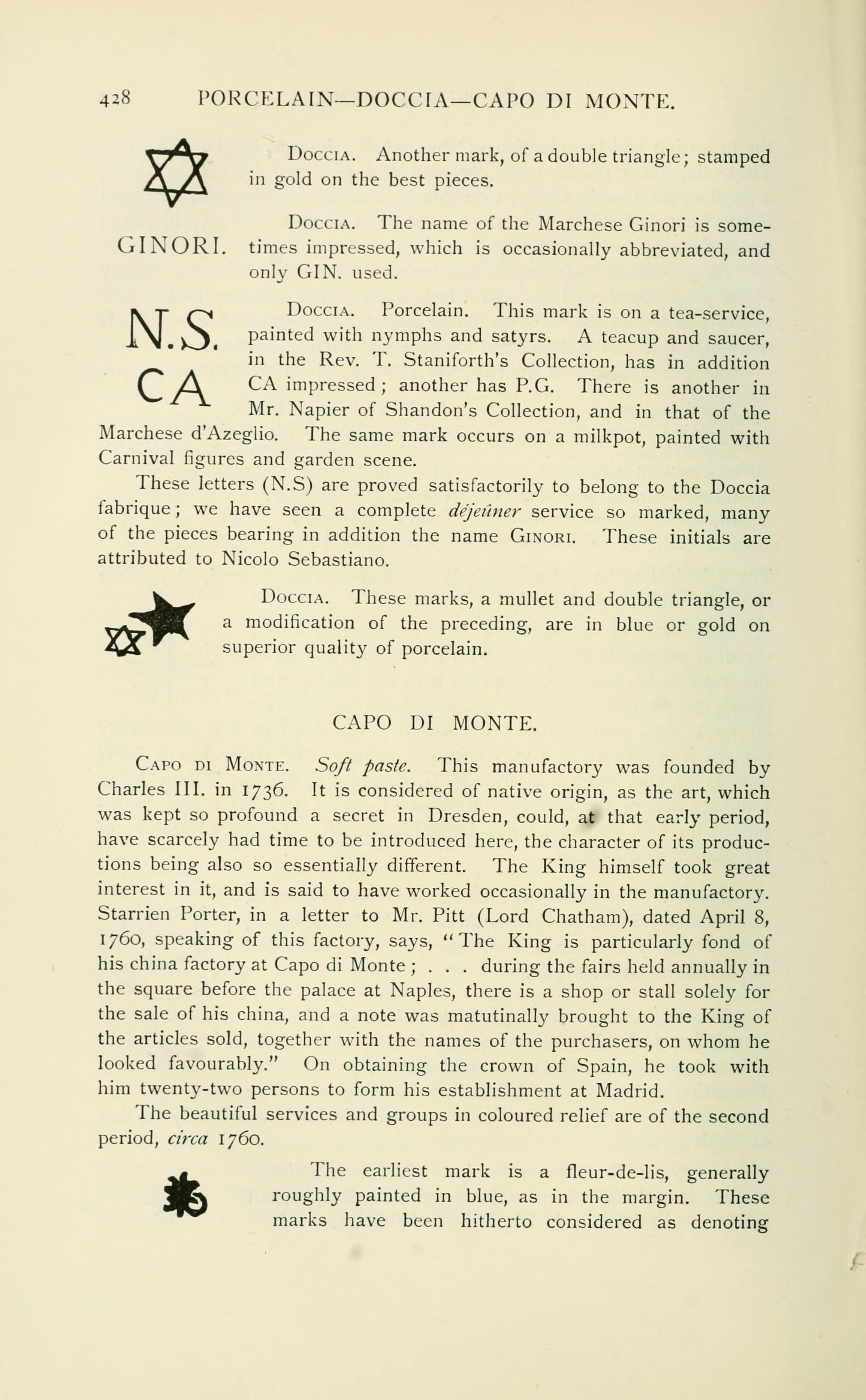
5 on p.428: A double triangle; GINORI; N.S.; CA; A mullet and double triangle. 5 of them are engraved in the source and are reproduced above; the rest are described in words only.
What dates does the source give?
None. Chaffers dates no mark on this page, so this entry gives no date either.
Where was Doccia?
Doccia, near Sesto, outside Florence, Italy. The source also records the name as Ginori, Richard Ginori.
Can this page tell me what my piece is worth?
No. This site reports what one nineteenth-century reference recorded, and cites the page so you can check it. It does not authenticate objects, value them, or offer an opinion on a specific piece.